Ceiling Design: Wood, Plaster or Metal – Which Suits Your Home Best?


Ceiling Design: Wood, Plaster or Metal – Which Suits Your Home Best?
The ceiling is often overlooked when designing a home, yet it has a major impact on the atmosphere, acoustics and overall style of a room. The choice of material – whether wood, plaster or metal – can transform the space and influence maintenance, durability and even energy efficiency. Here’s a guide to the three most popular ceiling types and how to choose the one that best suits your Irish home.
Wooden Ceilings – Warm, Natural and Timeless
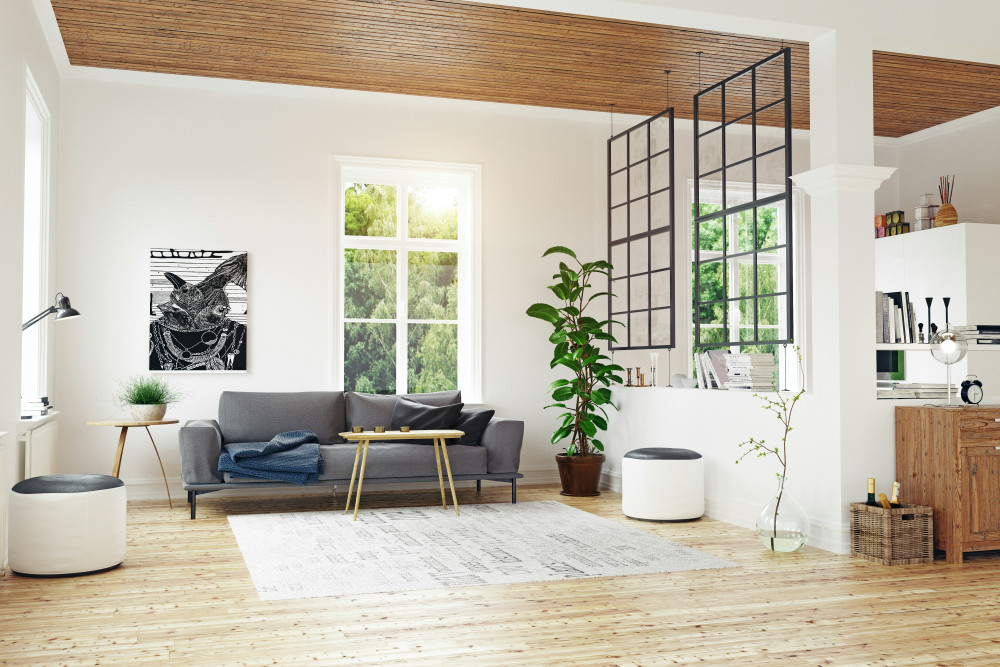
A wooden ceiling brings warmth and character to any room. From traditional pine panelling in country cottages to sleek oak or ash slats in modern homes, wood adds a natural texture that feels both cosy and elegant. It’s particularly suited to living rooms, bedrooms and spaces where you want a calm, organic atmosphere.
Advantages:
- Creates a warm, inviting look.
- Improves acoustics by softening echoes.
- Can be painted, stained or oiled to change its appearance.
Disadvantages:
- Requires regular maintenance to preserve colour and finish.
- Sensitive to humidity and temperature changes.
- Usually more expensive than plaster ceilings.
A wooden ceiling is ideal if you want a timeless, natural look – but it does demand some care, especially in Ireland’s damp climate. Proper ventilation and occasional treatment with protective oils can help it last for decades.
Læs også:



Plaster Ceilings – Smooth, Versatile and Modern
Plaster ceilings are the most common choice in contemporary Irish homes. They provide a smooth, uniform surface that suits both traditional and modern interiors. Plasterboard is fire-resistant, easy to paint and can be combined with recessed lighting, insulation and ventilation systems.
Advantages:
- Clean, neutral appearance that fits any style.
- Easy to paint and repair.
- Allows for built-in lighting and hidden wiring.
Disadvantages:
- Can crack if the building shifts or settles.
- Less character than wood or metal.
- Requires skilled installation for a flawless finish.
A plaster ceiling is a safe and flexible option, perfect for homeowners who want a minimalist look that can easily be updated with colour or lighting changes.
Metal Ceilings – Durable and Distinctive
Metal ceilings, once reserved for commercial buildings, are becoming more popular in modern Irish homes – especially in kitchens, bathrooms and converted industrial spaces. Typically made from aluminium or steel, they come in panels, tiles or slats and can be perforated for better acoustics.
Advantages:
- Extremely durable and moisture-resistant.
- Low maintenance and easy to clean.
- Reflects light, adding brightness to darker rooms.
Disadvantages:
- Can feel cold or impersonal in domestic settings.
- More expensive and requires professional installation.
- May create a harsher acoustic environment if not paired with sound-absorbing materials.
A metal ceiling is a great choice if you’re after a sleek, contemporary or industrial look – or if you need a ceiling that can handle humidity and wear.
Which Should You Choose?
Your decision will depend on style, function and budget.
- For living rooms and bedrooms: Wood adds warmth and texture.
- For kitchens and bathrooms: Plaster or metal handles moisture better.
- For modern homes: Plaster or metal suits a clean, minimalist design.
- For period or country homes: Wood complements traditional materials beautifully.
Also consider the size and height of your room. A dark wooden ceiling can make a small space feel lower, while a light plaster ceiling can make it appear larger and brighter – a useful trick in many Irish homes with modest ceiling heights.
Finding the Right Balance
There’s no single “best” ceiling material – it’s about balancing aesthetics, practicality and maintenance. Some homeowners even mix materials, such as combining plaster with wooden slats over a dining area or using metal panels with timber accents. The result is a ceiling that’s not only functional but also a striking design feature that reflects your personal style.
Læs også: