What Is a Soakaway? How to Ensure Effective Rainwater Drainage on Your Property


What Is a Soakaway? How to Ensure Effective Rainwater Drainage on Your Property
Heavy rainfall is becoming increasingly common in Ireland, and when it pours, local drainage systems can quickly become overwhelmed. A soakaway is a simple and environmentally friendly solution that helps manage rainwater on your own property. It collects water from roofs and paved areas and allows it to soak naturally into the ground instead of running into the public drainage network. Here’s a detailed guide to what a soakaway is, how it works, and how to make sure it functions effectively.
What Is a Soakaway?
A soakaway is essentially an underground structure that temporarily stores rainwater and allows it to gradually seep into the surrounding soil. It acts as a buffer, reducing the amount of water entering the drainage system and helping to prevent flooding.
Traditionally, soakaways were filled with rubble or gravel, but modern systems often use plastic modular crates with a high void ratio. These are lightweight, easy to install, and can be configured to suit different capacities depending on the size of your roof or paved area.
The soakaway is usually installed in your garden, in an area where the soil drains well, and is connected to your downpipes or surface drains via underground pipes. When it rains, water flows into the soakaway, where it is stored temporarily before soaking into the ground.
Why Install a Soakaway?
There are several benefits to having a soakaway on your property:
- Reduces pressure on public drainage systems – helps prevent localised flooding during heavy rain.
- Environmentally friendly – keeps rainwater within the natural water cycle and supports groundwater recharge.
- Protects your home – directs water away from foundations, reducing the risk of damp and structural damage.
- Cost-effective – in some local authorities, disconnecting surface water from the public sewer may reduce your drainage charges.
- Supports sustainable drainage (SuDS) – soakaways are a key part of Ireland’s approach to sustainable water management.
How the Soakaway Works
When rainwater enters the soakaway, it fills the voids within the structure. From there, the water slowly seeps out through the sides and base into the surrounding soil. The rate of infiltration depends on the soil type: sandy soils drain quickly, while clay soils retain water for longer and may require a larger soakaway or additional drainage measures.
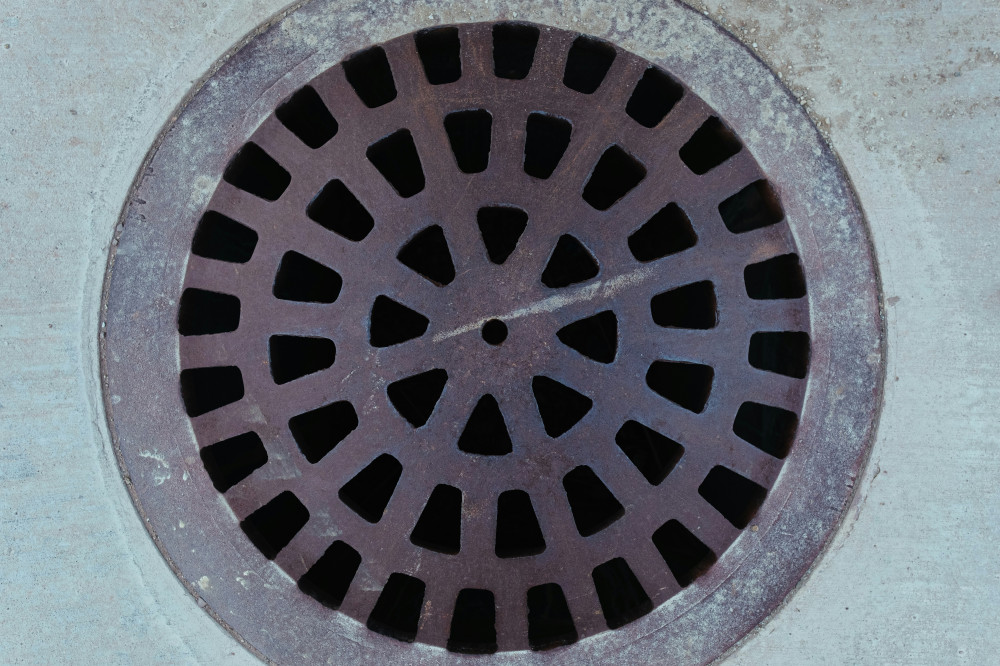
To ensure the system works efficiently, it’s essential to install a silt trap or gully before the soakaway. This prevents leaves, grit, and debris from entering and clogging the system.
A properly sized soakaway can handle even heavy downpours, but it must be designed according to the roof area and the infiltration capacity of your soil.
How to Install a Soakaway
You can hire a qualified drainage contractor to install a soakaway, but smaller systems can also be installed by competent DIYers. Here are the key steps:
- Test the soil’s infiltration rate. Dig a small test pit, fill it with water, and measure how long it takes to drain. This will help determine the required size of the soakaway.
- Choose the right location. The soakaway should be at least 5 metres from your house and 2 metres from any boundary. Avoid areas with high groundwater levels or poor drainage.
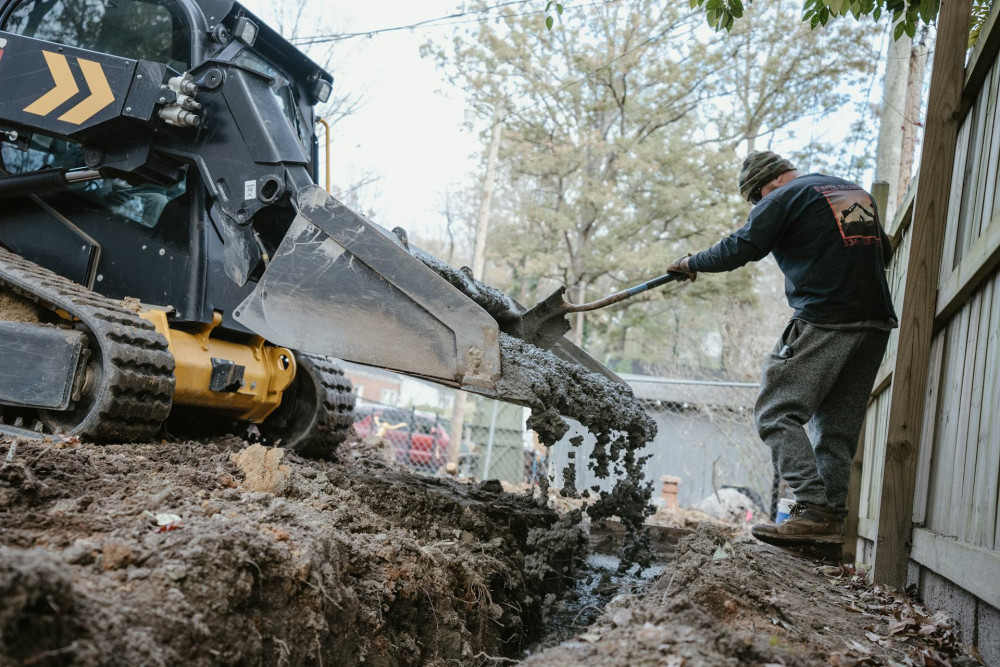
- Excavate the pit. The size depends on the roof area and soil type.
- Line the pit with geotextile fabric. This prevents soil from entering the soakaway while allowing water to pass through.
- Assemble and place the soakaway crates. Connect them to your downpipe or drainage system using suitable pipes.
- Backfill and finish. Cover the soakaway with soil and restore the surface with grass, gravel, or paving.
Before installation, check with your local authority or planning office to see if any permissions or SuDS requirements apply in your area.
Læs også:


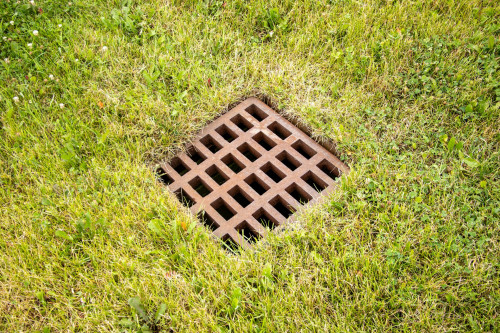
Maintenance and Lifespan
A soakaway requires very little maintenance, but it’s important to clean the silt trap or gully regularly—typically once a year. If this becomes blocked, water will not flow freely, and the soakaway’s performance will decline.
The soakaway structure itself can last for decades—often 30 to 50 years—if properly installed and protected from silt and debris.
After heavy rain, check that water drains away as expected. Standing water or slow drainage may indicate that the soil is saturated or that the system needs inspection.
A Smart Investment for a Wetter Future
With Ireland experiencing more frequent heavy rainfall events, sustainable rainwater management is becoming increasingly important. A soakaway is a straightforward and effective way to take responsibility for rainwater on your property—protecting your home, supporting the environment, and easing the burden on public drainage systems.
It’s a long-term investment that pays off: less risk of flooding, a healthier local environment, and a more resilient property ready for Ireland’s changing climate.
Læs også: