Climate-Conscious Maintenance: Make Roof Inspections a Regular Routine

Climate-Conscious Maintenance: Make Roof Inspections a Regular Routine
A roof is your home’s first line of defence against Ireland’s wind, rain, and occasional frost – but it’s also a key factor in your home’s overall environmental footprint. A well-maintained roof lasts longer, conserves energy, and reduces the need for new materials. Regular roof inspections are therefore not just a matter of home maintenance, but a climate-conscious choice. Here’s how to make roof inspections a regular habit – and why it pays off for both the planet and your pocket.
Why Roof Inspections Are a Green Investment
When your roof performs as it should, it keeps your home dry and energy-efficient. Small issues like cracked slates, loose flashing, or blocked gutters can quickly escalate into major repairs – and a larger carbon footprint. By spotting and fixing problems early, you extend the roof’s lifespan and avoid unnecessary waste.
Regular inspections can also reveal whether your roof insulation is doing its job. Poor insulation leads to heat loss in winter and overheating in summer, both of which increase energy use. A well-sealed, properly insulated roof is one of the most effective ways to cut your home’s CO₂ emissions.
Læs også:
How to Carry Out a Thorough Roof Inspection
A roof inspection doesn’t have to be complicated, but it should be systematic. Some checks you can do yourself, while others are best left to a professional roofer.
- Start with a visual check from the ground. Look for missing or damaged slates, moss growth, or uneven areas that might indicate structural issues.
- Inspect gutters and downpipes for leaves and debris. Blocked gutters can cause water to overflow and damage walls or foundations.
- Check for leaks in the attic. Damp patches, mould, or a musty smell can signal water ingress.
- Examine flashing and joints around chimneys, skylights, and vents – these are common sources of small leaks.
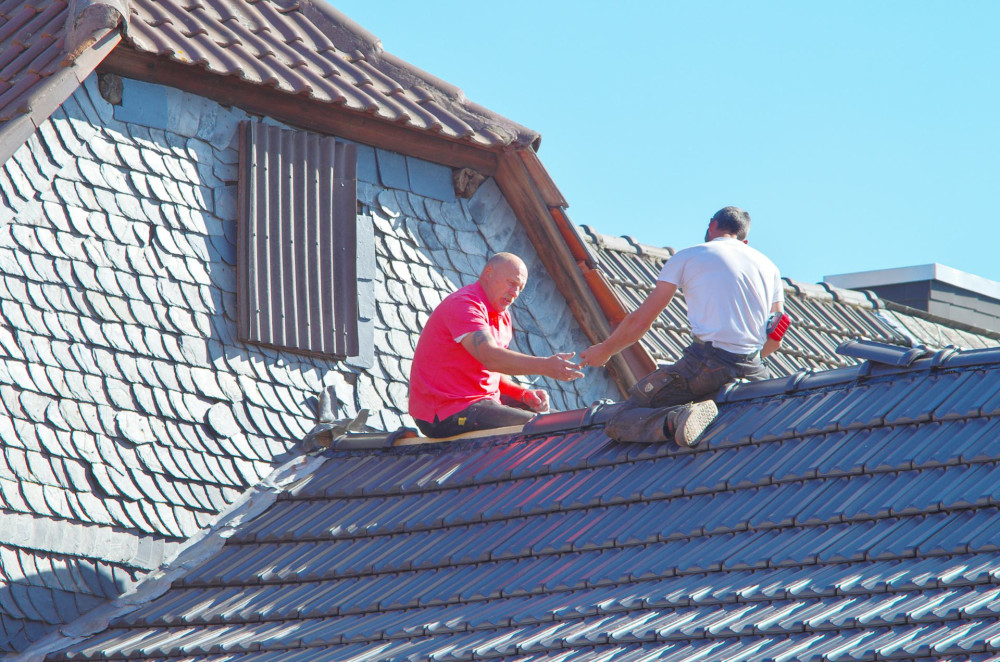
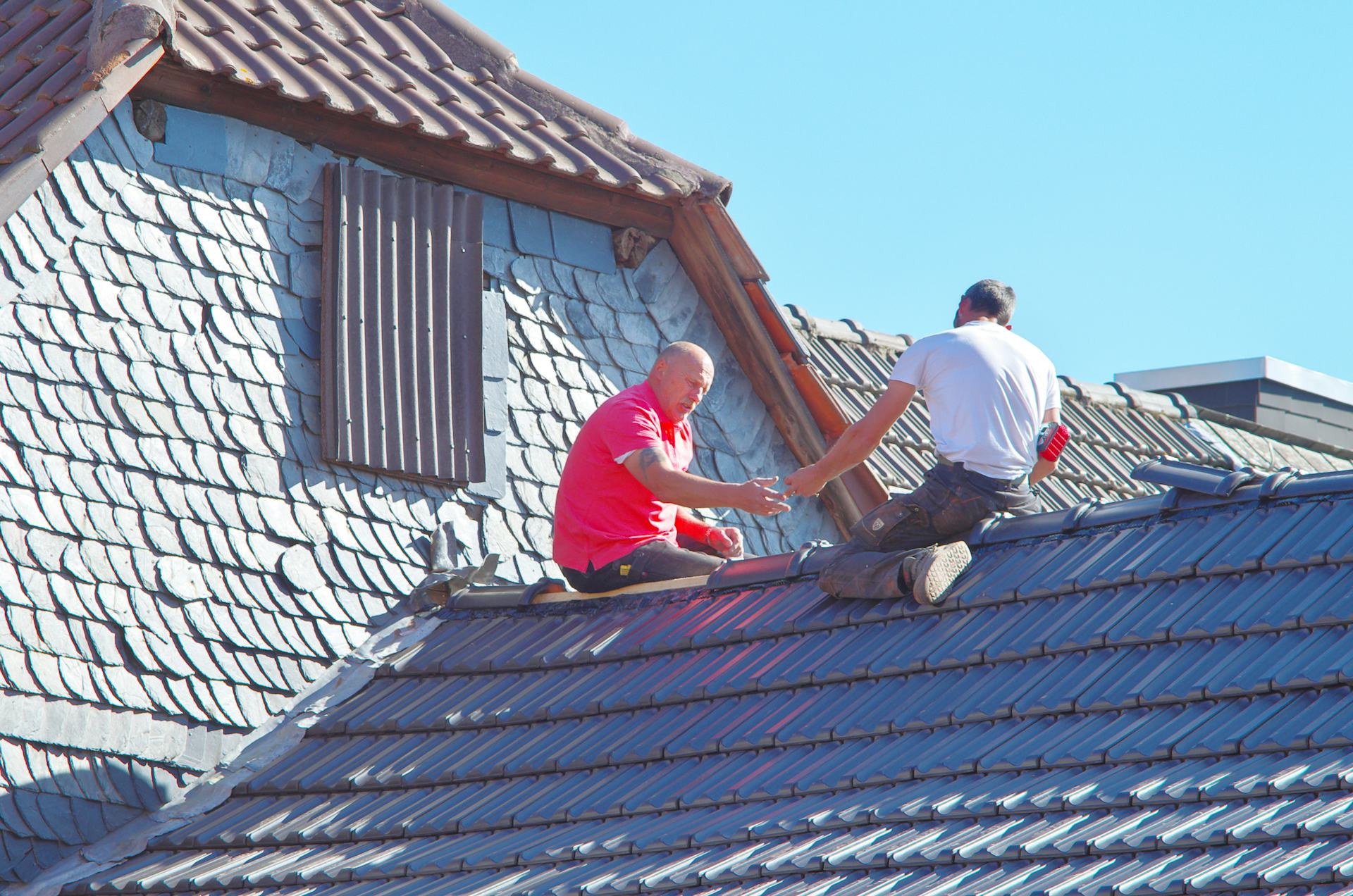
- Book a professional inspection every two to three years. A qualified roofer can identify early signs of wear that aren’t visible from the ground.
Combining your own routine checks with expert assessments gives you the best protection against costly damage and unnecessary waste.
Choose Sustainable Materials and Solutions
If your roof needs repair or replacement, it’s a great opportunity to make sustainable choices. Many modern roofing materials are designed with durability, recyclability, and energy efficiency in mind.
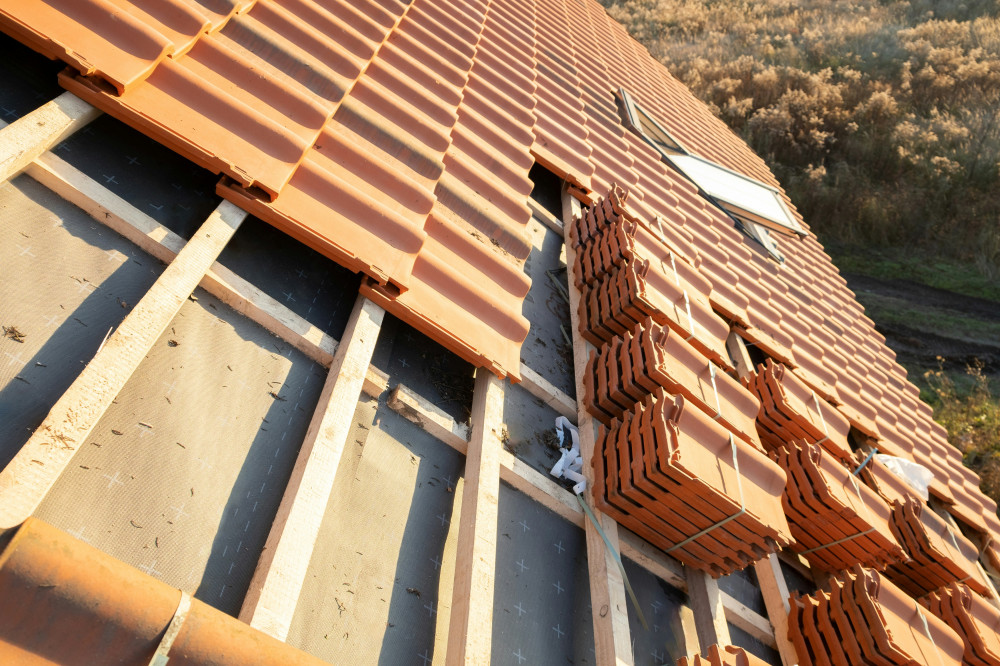
- Reclaimed slate or clay tiles offer a traditional Irish look with minimal environmental impact.
- Roof membranes with recycled content or low-bitumen options are greener alternatives to conventional felt.
- Green roofs with sedum or native plants improve insulation, absorb rainwater, and support biodiversity.
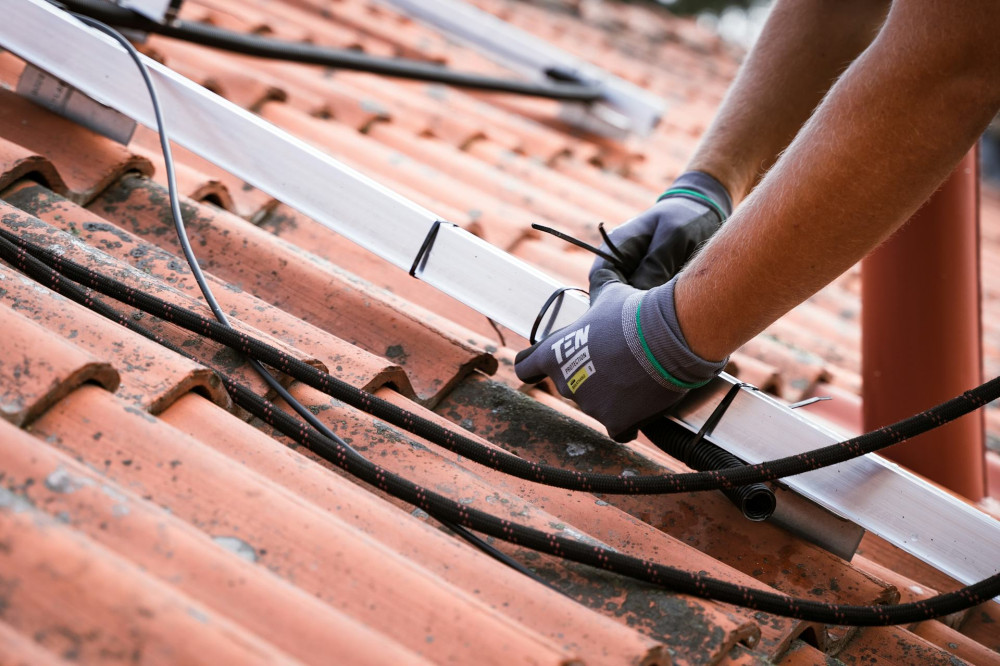
- Solar panels or solar tiles can be integrated into the roof to generate clean energy for your home.
By choosing materials with verified environmental credentials, you reduce waste, lower energy use, and increase your property’s long-term value.
Make Roof Inspections Part of Your Yearly Routine
The best times for roof inspections in Ireland are spring and autumn. After winter, check for damage caused by storms or frost. In autumn, prepare your roof for the wetter months ahead by clearing gutters and checking seals.
Set a reminder to inspect your roof twice a year. Keep notes or take photos to track any changes over time – this makes it easier to plan maintenance before small issues become big ones. Even a simple checklist on your phone can help ensure inspections don’t slip your mind.
Small Steps, Big Impact
Climate-conscious maintenance isn’t about major investments overnight – it’s about consistent, responsible care that adds up over time. A well-maintained roof saves energy, extends your home’s lifespan, and reduces the need for new materials.
By making roof inspections a regular routine, you’re not just protecting your home – you’re contributing to a more sustainable future for Ireland’s built environment.
Læs også: