Solar Roofs and Regulations: What You Need to Know Before You Get Started

Solar Roofs and Regulations: What You Need to Know Before You Get Started
Thinking about generating your own electricity while giving your home a sleek, modern look? A solar roof can be an appealing solution – both aesthetically and financially. But before you take the plunge, it’s important to understand the rules and requirements that apply in Ireland. From planning permission and grid connection to grants and tax implications, here’s what you need to know before investing in a solar roof.
Planning Permission and Local Regulations
In Ireland, most homeowners can now install solar panels or solar roof tiles without planning permission, thanks to updated regulations introduced in 2022. However, there are exceptions. If your property is a protected structure, located in an architectural conservation area, or if the installation would significantly alter the building’s appearance, you may still need to apply for permission from your local authority.
There are also limits on how much of your roof can be covered by solar panels and how far they can project from the roof surface. For integrated solar roofs, which blend seamlessly into the building design, approval is often easier to obtain. It’s always wise to check with your local planning office before starting any work.
Electrical Safety and Grid Connection
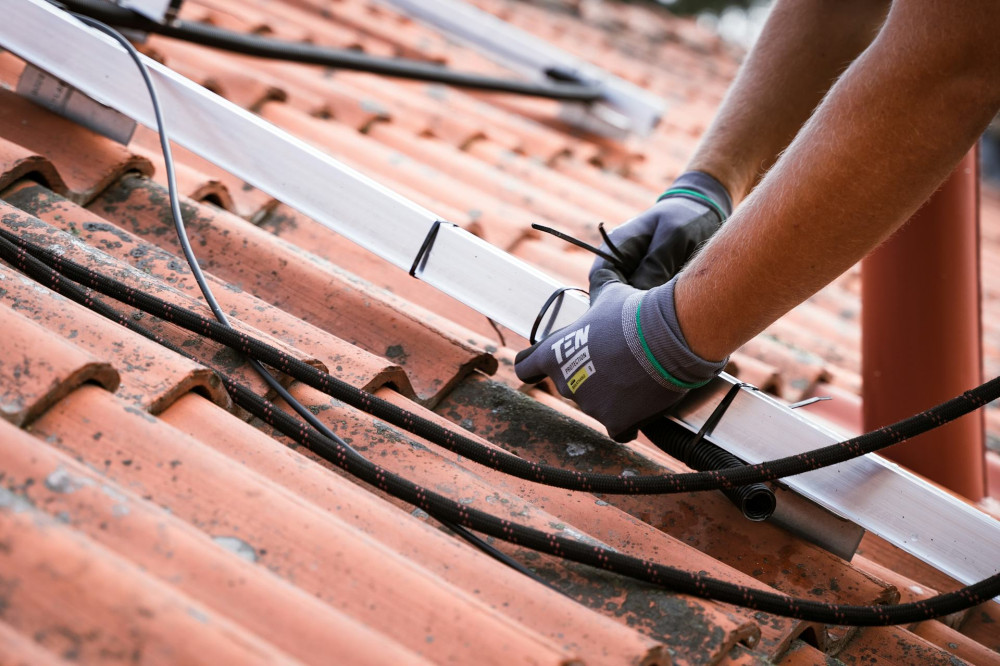
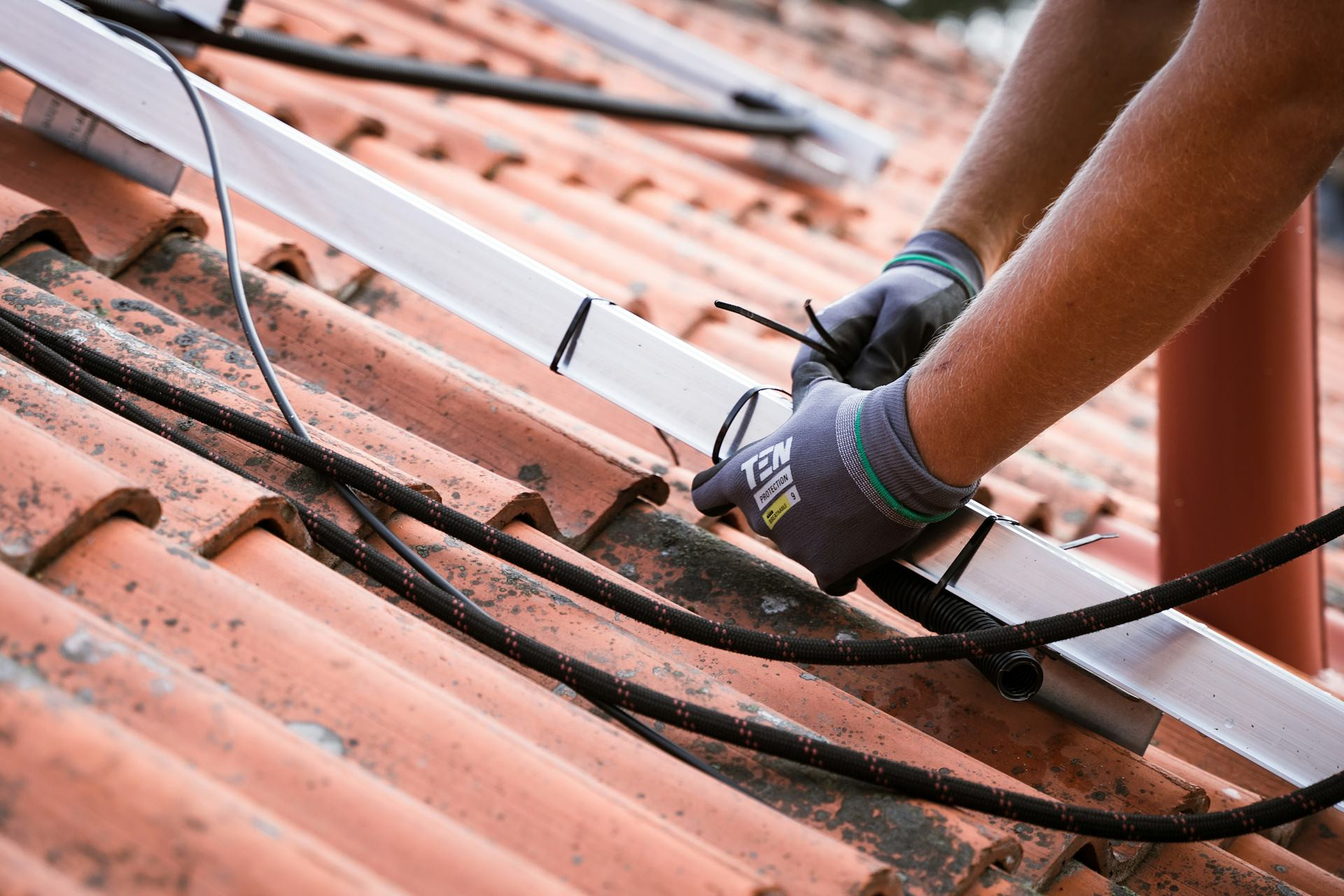
All solar installations must comply with Irish electrical safety standards. The work must be carried out by a Safe Electric–registered electrician who can certify that the system meets the required standards.
If you plan to connect your solar roof to the national grid, you’ll need to register with ESB Networks. This ensures your system is safely integrated and allows you to export any surplus electricity. Under the Micro-generation Support Scheme (MSS), homeowners can receive payments for the excess power they send back to the grid, provided their system meets the eligibility criteria.
Grants and Financial Support
The Sustainable Energy Authority of Ireland (SEAI) offers grants to help reduce the cost of installing solar PV systems. As of 2024, homeowners can receive up to €2,100 in support, depending on the system size. To qualify, your home must have been built and occupied before 2021, and the installation must be carried out by an SEAI-registered company.
In addition to grants, you may benefit from reduced VAT rates on solar installations, as the Irish government continues to promote renewable energy adoption. Always check the latest SEAI guidelines, as grant amounts and eligibility criteria can change over time.
Tax and Income Considerations
If you generate electricity primarily for your own use, there are generally no tax implications. However, if you sell surplus electricity back to the grid under the Micro-generation Support Scheme, the income you receive may be exempt from income tax up to a certain limit (currently €200 per year, as per Revenue guidelines). It’s a good idea to confirm the latest rules with your accountant or the Revenue Commissioners to ensure compliance.
Neighbour Relations and Aesthetic Choices
While solar roofs are designed to be discreet, it’s still considerate to discuss your plans with neighbours, especially if your roof faces their property. Reflections or glare can occasionally cause concern, though modern solar tiles and panels are designed to minimise this.
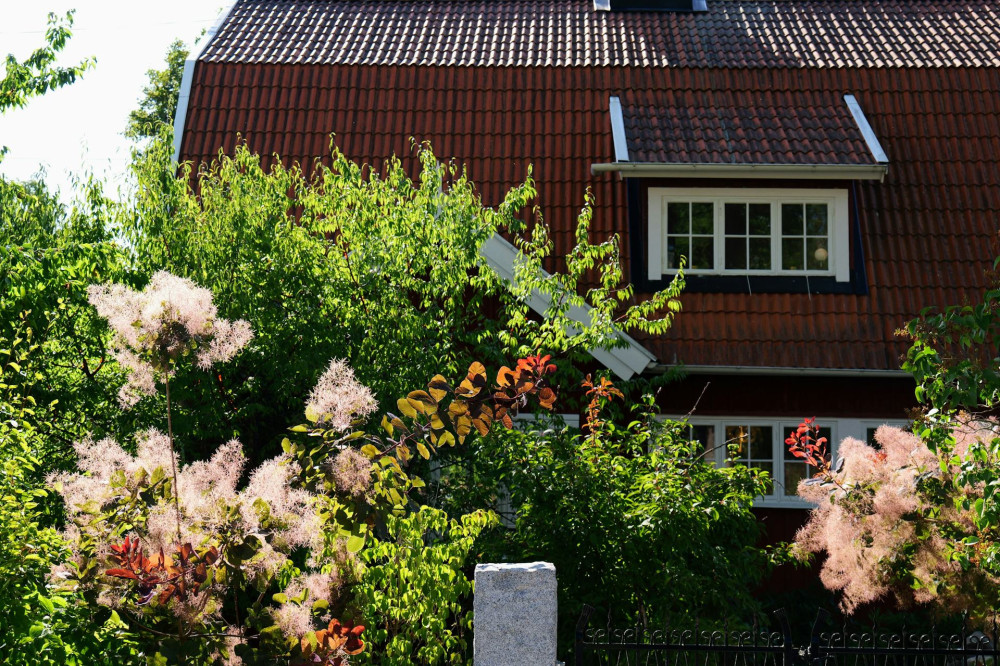
Choose a design that complements your home’s architecture. Many manufacturers now offer solar roof tiles in different colours and finishes, allowing you to balance performance with visual appeal.
Læs også:
Insurance and Maintenance
Before installation, contact your home insurance provider to confirm that your solar roof will be covered. Some insurers require that the system be installed by a certified professional and that it meets specific safety standards.
Solar roofs require little maintenance, but it’s sensible to have them inspected periodically – especially after severe weather. A professional check-up can ensure your system continues to operate efficiently and safely.
Getting Started
Before you commit to a solar roof, make sure to:
- Check local planning rules – contact your local authority if in doubt.
- Consult a registered installer – for technical advice and cost estimates.
- Explore SEAI grants and tax benefits – to maximise your savings.
- Compare multiple quotes – focusing on quality, warranty, and performance.
- Review your insurance and maintenance plan – to protect your investment.
A solar roof is a long-term investment that can pay off for both your wallet and the environment. With the right preparation and understanding of Irish regulations, you can confidently take the next step toward a cleaner, more sustainable home.
Læs også: