Communication Under Construction: How to Create a Plan That Keeps Your Project on Track

Communication Under Construction: How to Create a Plan That Keeps Your Project on Track
When a building or renovation project begins, it’s not just bricks, beams, and budgets that need managing. Communication is just as critical. Without a clear plan for who says what – and when – even the most carefully designed project can slip into confusion, delays, and frustration. Here’s a guide to creating a communication plan that keeps your construction project in Ireland running smoothly from start to finish.
Why Communication Matters in Construction Projects
A construction project brings together many different players: the client, contractors, architects, engineers, suppliers, and sometimes local authorities or neighbours. Each has their own priorities and expectations. If communication breaks down, small misunderstandings can quickly turn into costly mistakes.
A solid communication plan ensures that everyone knows what’s happening and when. It builds transparency, prevents conflict, and makes decision-making easier. In short, it’s the glue that holds the project together.
Start by Mapping Your Stakeholders
Before you can plan your communication, you need to know who you’re communicating with. Make a list of everyone involved – directly or indirectly.
- Client and project manager – the key decision-makers.
- Contractors and tradespeople – those carrying out the work.
- Architects and consultants – those ensuring quality and compliance.
- Suppliers and subcontractors – those providing materials and services.
- Local authorities and neighbours – those who may need updates or permissions.
Once you’ve identified your stakeholders, decide how often and in what way they should be informed. Some will need detailed progress reports, while others may only require brief updates.
Define Purpose and Channels
A communication plan doesn’t have to be complicated, but it must be clear. Start by defining the purpose: What do you want your communication to achieve? Is it to maintain progress, build trust, or avoid errors?
Then choose the channels that best fit your project:
- Meetings – weekly site meetings or progress reviews.
- Email or project management software – for sharing documents, minutes, and updates.
- Phone or messaging apps – for quick clarifications.
- Noticeboards or newsletters – for informing neighbours or community members.
The key is consistency. Everyone should know where to find information and who to contact with questions.
Læs også:

Establish a Regular Rhythm for Follow-Up
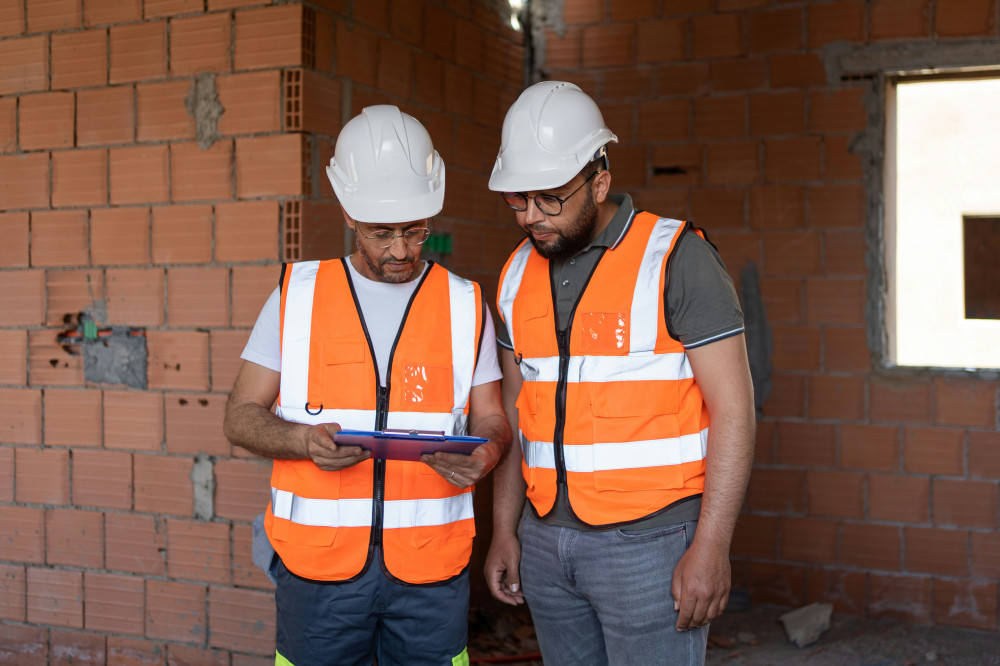
Construction projects evolve constantly, and communication must keep pace. Set regular times for follow-up – for example, a weekly site meeting to review progress, challenges, and next steps.
A good meeting has a clear agenda, defined roles, and a short summary circulated afterwards. This builds accountability and ensures that decisions are recorded. Using a shared digital platform, such as Procore or Buildertrend, can help everyone stay up to date in real time.
Manage Changes and Unexpected Events
No construction plan ever runs perfectly. There will always be changes – to timelines, materials, or budgets. The key is how you handle them.
A strong communication plan includes procedures for managing change: who needs to be informed, how decisions are made, and how updates are documented. This helps the team respond quickly and prevents small issues from escalating.
Remember the Human Factor
Even the best plan can fail if the tone of communication isn’t right. Communication isn’t just about information – it’s about relationships. Construction is a team effort, and trust is essential.
Be open, respectful, and willing to listen – especially when disagreements arise. A constructive conversation can often solve problems before they become conflicts. And don’t forget to acknowledge what’s going well; recognition boosts morale and strengthens collaboration.
End with an Evaluation
When the project wraps up, take time to evaluate your communication. What worked well? What could be improved next time? A short review provides valuable lessons for future projects.
A communication plan isn’t just a document – it’s a living tool that should be used actively. By prioritising clear, structured communication, you increase the chances that your construction project will stay on track – both on paper and on site.
Læs også: