Daylight as a Sustainable Resource in Modern Construction

Daylight as a Sustainable Resource in Modern Construction
Daylight is one of the most valuable yet often underestimated resources in modern construction. It is free, renewable, and has a proven positive impact on both human well-being and building energy performance. As sustainability and indoor comfort become central themes in architecture, the role of natural light is gaining renewed attention. But how can we make the most of daylight without compromising comfort, energy efficiency, or design quality?
Daylight as an Energy and Comfort Factor
When used effectively, daylight can significantly reduce the need for artificial lighting, lowering electricity consumption and carbon emissions. At the same time, natural light contributes to a healthier and more pleasant indoor environment. Studies show that people working or living in well-lit spaces experience higher productivity, better sleep, and improved mental well-being.
However, daylight design is not simply about maximising light levels. Too much direct sunlight can cause glare and overheating, increasing the need for cooling and shading. The sustainable solution lies in balance—creating buildings where light, heat, and comfort work together harmoniously.
Architecture with Light as a Design Parameter
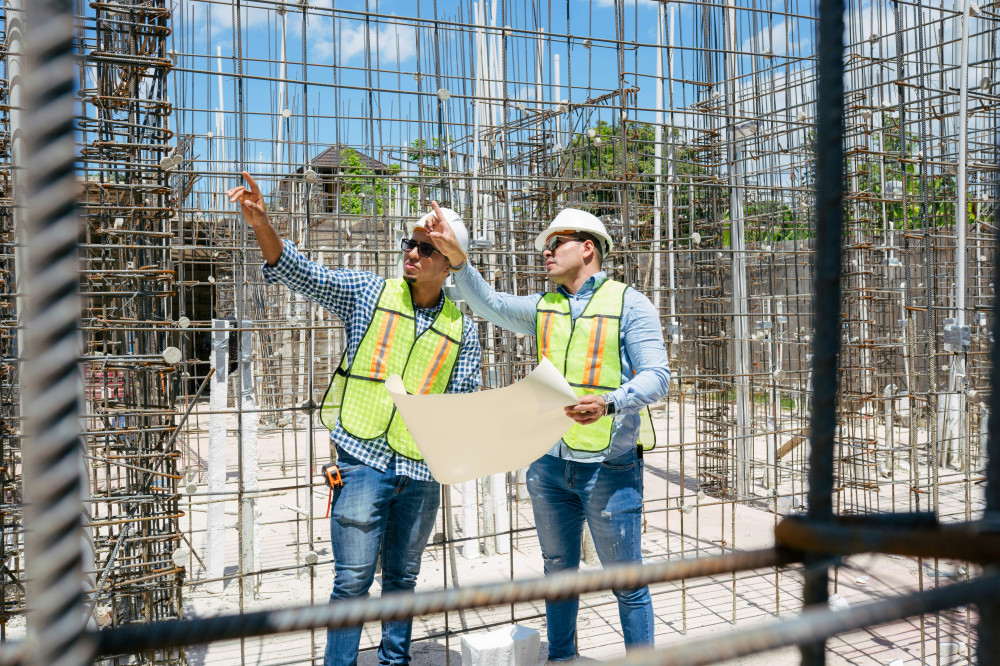
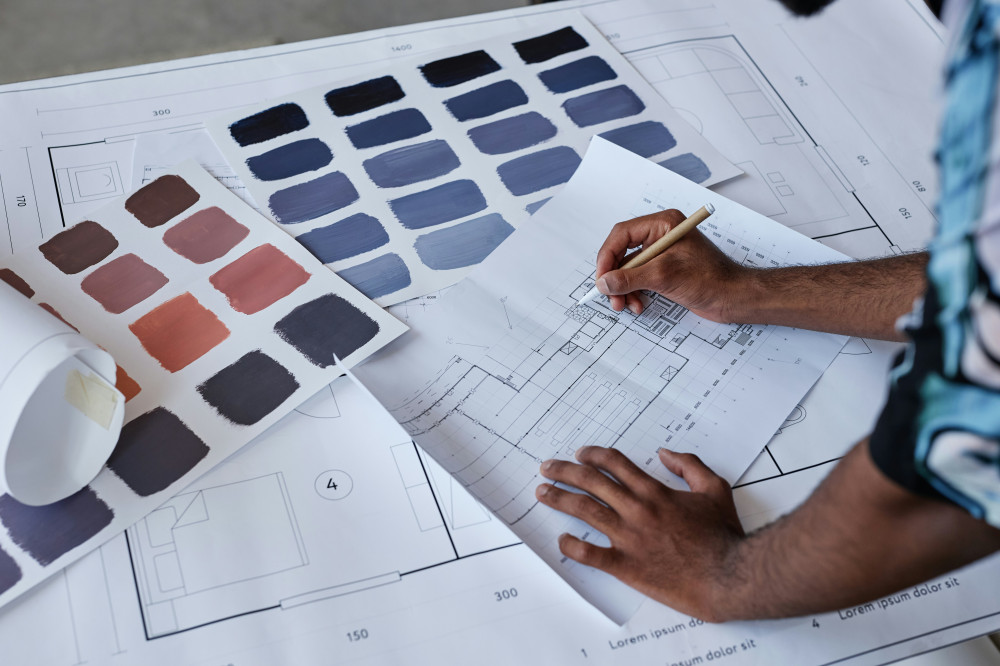
In contemporary architecture, daylight is no longer an afterthought but a key design parameter. Architects and engineers now consider light from the earliest stages of design. The building’s orientation, window placement, and room depth all influence how daylight moves through a space throughout the day and across the seasons.
- North-facing windows provide soft, even light ideal for workspaces and studios.
- South-facing windows bring in more direct sunlight and warmth but often require shading solutions.
- Atriums and skylights can channel daylight deep into the building’s interior.
- Reflective surfaces and light-coloured materials help distribute light more evenly and create a sense of spaciousness.
By combining these strategies, designers can create buildings that are both visually appealing and energy-efficient.
Technology and Simulation as Design Tools
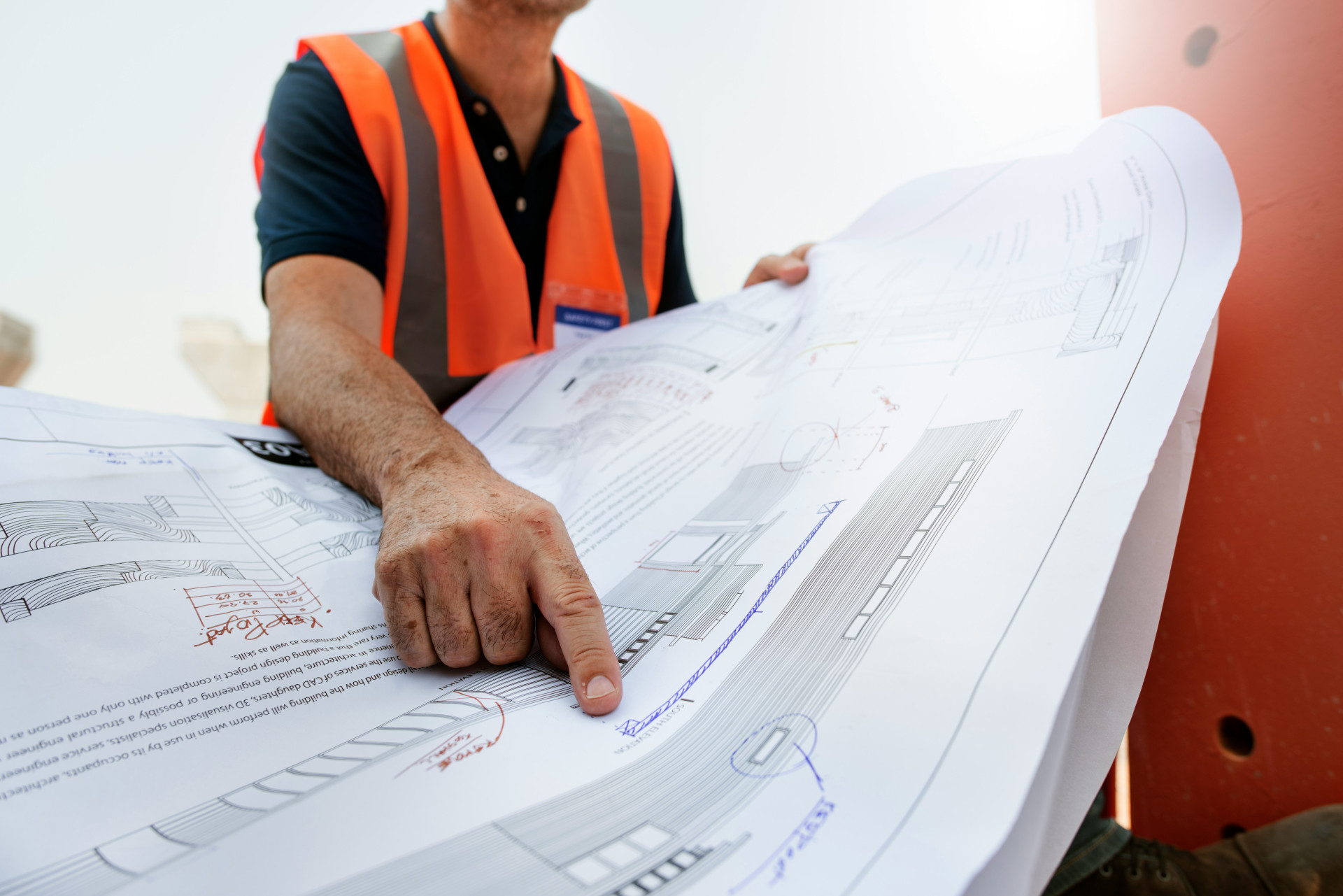
Digital tools have revolutionised how architects work with daylight. Today, it is possible to simulate the sun’s path and predict how light levels will change throughout the year. This allows for precise optimisation of window sizes, glazing types, and shading systems to ensure maximum daylight use without increasing energy demand.
New technologies are also emerging to make daylight management more dynamic. Smart facades, automated blinds, and electrochromic glass can adjust to sunlight intensity and user needs in real time. These innovations make daylight utilisation both more efficient and more comfortable.
Læs også:

Health and Well-being in Focus
As people spend more time indoors, the quality of light in our buildings becomes increasingly important. Daylight influences our circadian rhythm, mood, and concentration. In schools, offices, and homes, good daylight design can therefore enhance learning, productivity, and overall well-being.
Buildings that prioritise daylight often feel more open, vibrant, and welcoming. It is not just about saving energy—it is about improving quality of life.
The Future of Sustainable Construction
Daylight is an inexhaustible resource that supports environmental, economic, and social sustainability. In Ireland, where the climate offers a mix of bright and overcast days, thoughtful daylight design can make a significant difference in both comfort and energy use. Future buildings will increasingly be judged by how well they harness natural forces—especially the power of the sun.
By integrating daylight from the very beginning of the design process, we can create buildings that consume less energy, promote health, and offer lasting architectural value. It is an investment in both people and the planet—and one of the most natural steps toward a more sustainable built environment.
Læs også: