From Craftsmanship to Design: The Influence of Traditions on Modern Flooring

From Craftsmanship to Design: The Influence of Traditions on Modern Flooring
Floors are more than just surfaces we walk on. They shape the atmosphere, character, and comfort of a space – and they tell stories of tradition meeting innovation. Across Ireland, there is a growing appreciation for materials and techniques that draw on the heritage of craftsmanship while embracing the possibilities of modern design. From hand-finished timber to patterned tiles and sustainable materials, the past continues to inspire the floors of today’s homes and public spaces.
The Legacy of Craftsmanship in Modern Materials
Historically, Irish floors were crafted with care and respect for local materials. Craftsmen worked with native woods like oak and ash, or with stone quarried from nearby hills, using simple tools but great skill. This respect for natural materials is returning, as designers and homeowners seek authenticity and durability in their interiors.
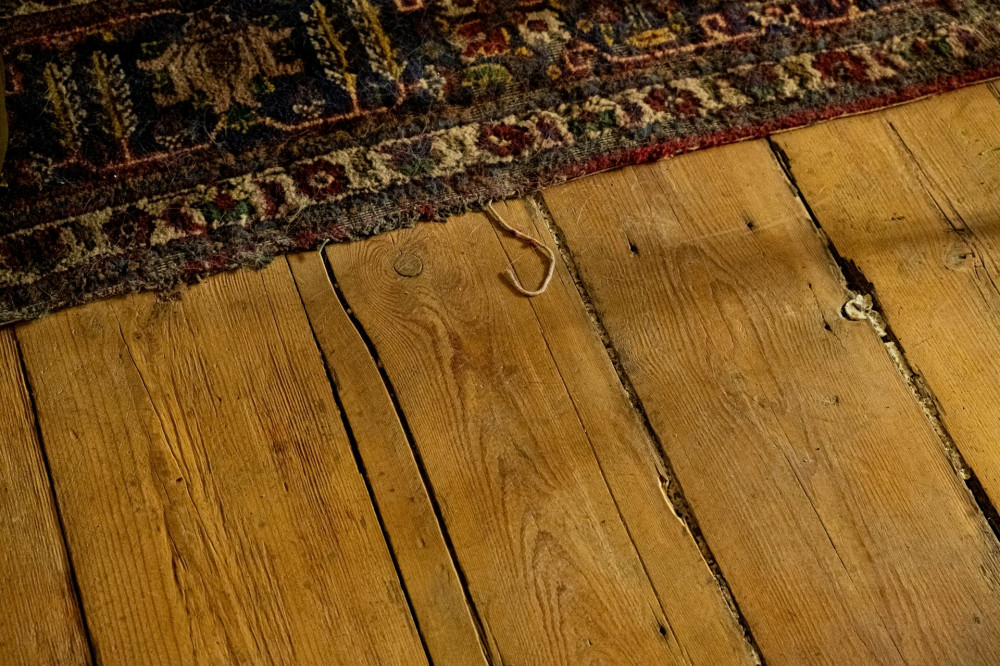
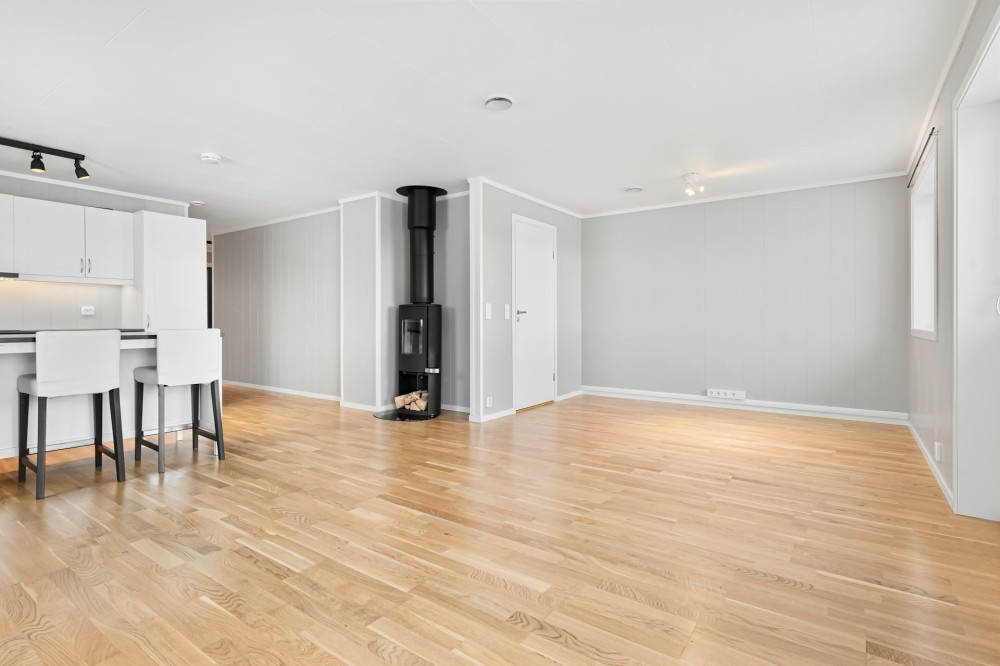
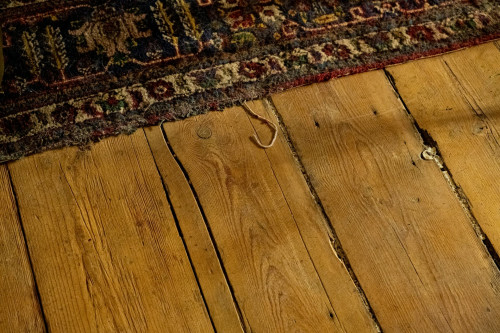
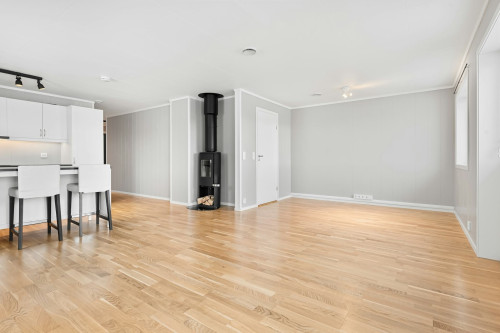
Timber flooring remains a favourite. The wide planks once found in Georgian townhouses or rural cottages are being reinterpreted with modern finishes that highlight the grain and protect the surface. Natural oils and waxes, once used to preserve wood, are now available in eco-friendly forms that enhance both beauty and sustainability.
Patterns and Traditions Making a Comeback
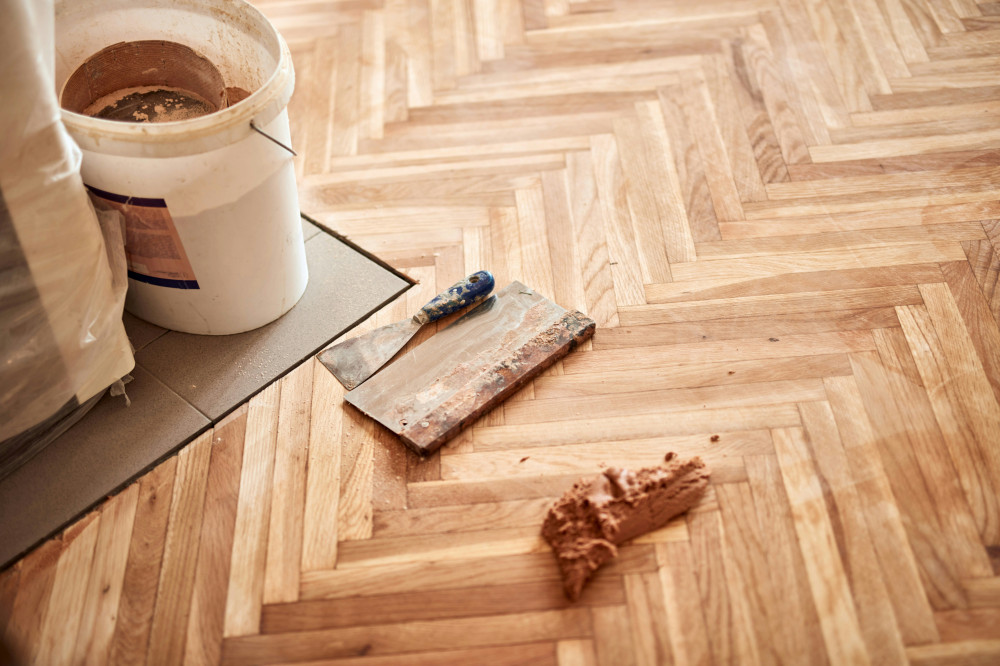
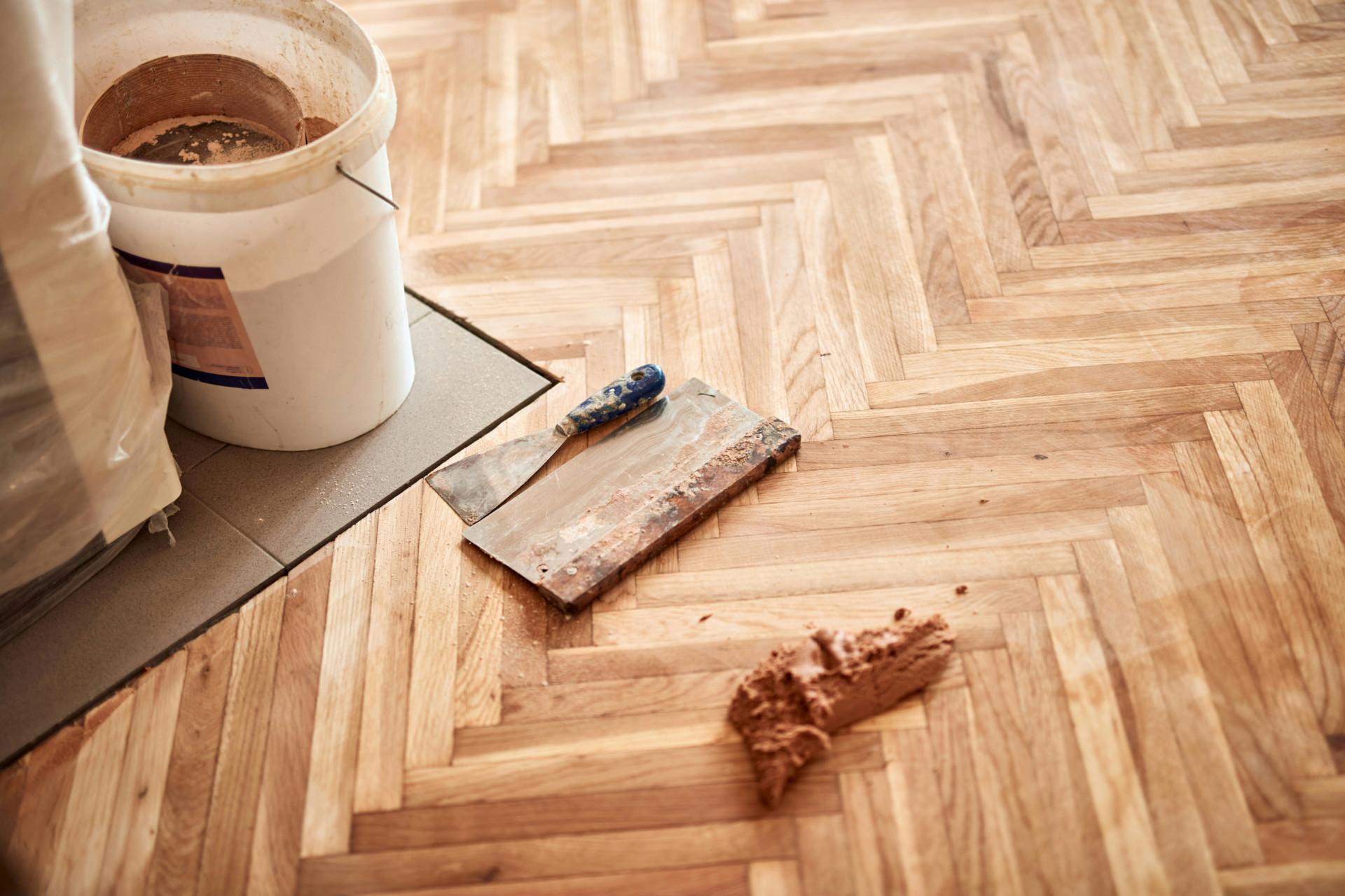
Many of the patterns we now see in contemporary interiors have deep roots in traditional craftsmanship. Herringbone and chevron parquet, encaustic tiles, and hand-laid mosaics were once the hallmark of skilled artisans. Today, these designs are recreated with precision technology, yet they retain the charm and rhythm of their handmade origins.
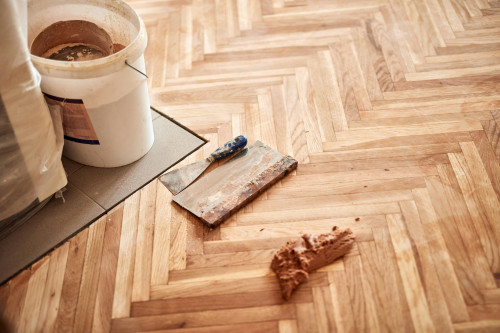
The herringbone pattern, in particular, has seen a revival in Irish homes. Once a feature of grand period houses, it now appears in modern apartments and renovated farmhouses alike, where it adds texture and a sense of timelessness. Combined with minimalist furniture or natural light, it bridges the gap between heritage and modern living.
Sustainability as a Modern Form of Craft
The renewed focus on sustainability echoes the values of traditional craftsmanship. In the past, materials were used thoughtfully – floors were repaired, reused, and maintained for generations. That same mindset is returning, with reclaimed wood, natural stone, and locally sourced materials gaining popularity.
Bamboo, cork, and linoleum are examples of materials that combine traditional knowledge with modern innovation. They are renewable, durable, and bring warmth and character to interiors. Many Irish designers are also turning to local suppliers and small workshops to reduce environmental impact and support regional craft traditions.
Design That Tells a Story
A floor can be a design statement, but it can also tell a story – about place, heritage, and the people who made it. Architects and interior designers increasingly see flooring as a key element of a room’s identity, not just a neutral background. Choosing a floor with traditional roots means choosing a piece of cultural history, whether it’s a pattern inspired by Celtic motifs, a limestone slab from County Clare, or a hand-finished oak board.
In this way, flooring becomes a link between past and present – a foundation that carries the memory of craftsmanship into modern life.
From Workshop to Home
Even in an age of industrial production, the appeal of the handmade remains strong. Many flooring manufacturers now collaborate with artisans to preserve traditional techniques – brushing, staining, or finishing wood by hand to create unique textures and tones. Each floor becomes a one-of-a-kind piece, with the subtle imperfections that give it soul.
This blend of technology and tradition allows modern floors to be functional, beautiful, and sustainable – without losing the authenticity that defines true craftsmanship.
Læs også:
Tradition as Inspiration for the Future
When we talk about modern flooring today, we are also talking about values. The traditions of craftsmanship remind us that quality takes time, and that materials have stories worth preserving. By building on the skills and sensibilities of the past, we can create floors that are not only durable and elegant, but also meaningful – floors that will stand the test of time, just as the traditions behind them have done for centuries.
Læs også: