Silence Underfoot: Choosing the Right Flooring for a Peaceful Acoustic Environment

Silence Underfoot: Choosing the Right Flooring for a Peaceful Acoustic Environment
A calm home feels welcoming, comfortable, and balanced. Yet many people only realise how much the floor affects the sound of a room when footsteps echo, voices bounce off the walls, or noise travels between floors. Choosing flooring is not just about looks and durability – it’s also about how sound moves through your home. Here’s a guide to selecting the right flooring if you want true silence underfoot.
Why Flooring Matters for Acoustics
Sound behaves differently depending on the materials it meets. Hard surfaces like tiles, concrete, and laminate reflect sound, while softer materials such as cork, vinyl, and carpet absorb it. Because the floor covers such a large area, it plays a major role in how noisy or peaceful a space feels.
Good acoustics are about balance. A room that’s too “dead” can feel heavy and dull, while one with too much echo quickly becomes tiring. The goal is to create a natural, comfortable sound environment that supports daily life.
Footfall Noise and Echo – Two Different Challenges
When it comes to sound in the home, two main types of noise are influenced by flooring:
- Impact or footfall noise – the sound created when you walk on the floor, which can travel through the structure and be heard in rooms below.
- Reverberation or echo – the sound that bounces around within a room when people talk, move, or play music.
A good flooring choice addresses both. In apartments or multi-storey homes, impact noise reduction is key, while in open-plan spaces, controlling echo is often the bigger challenge.
Læs også:
Flooring Types with Good Acoustic Comfort
There are many flooring options, but some perform better than others when it comes to sound.
Timber Floors
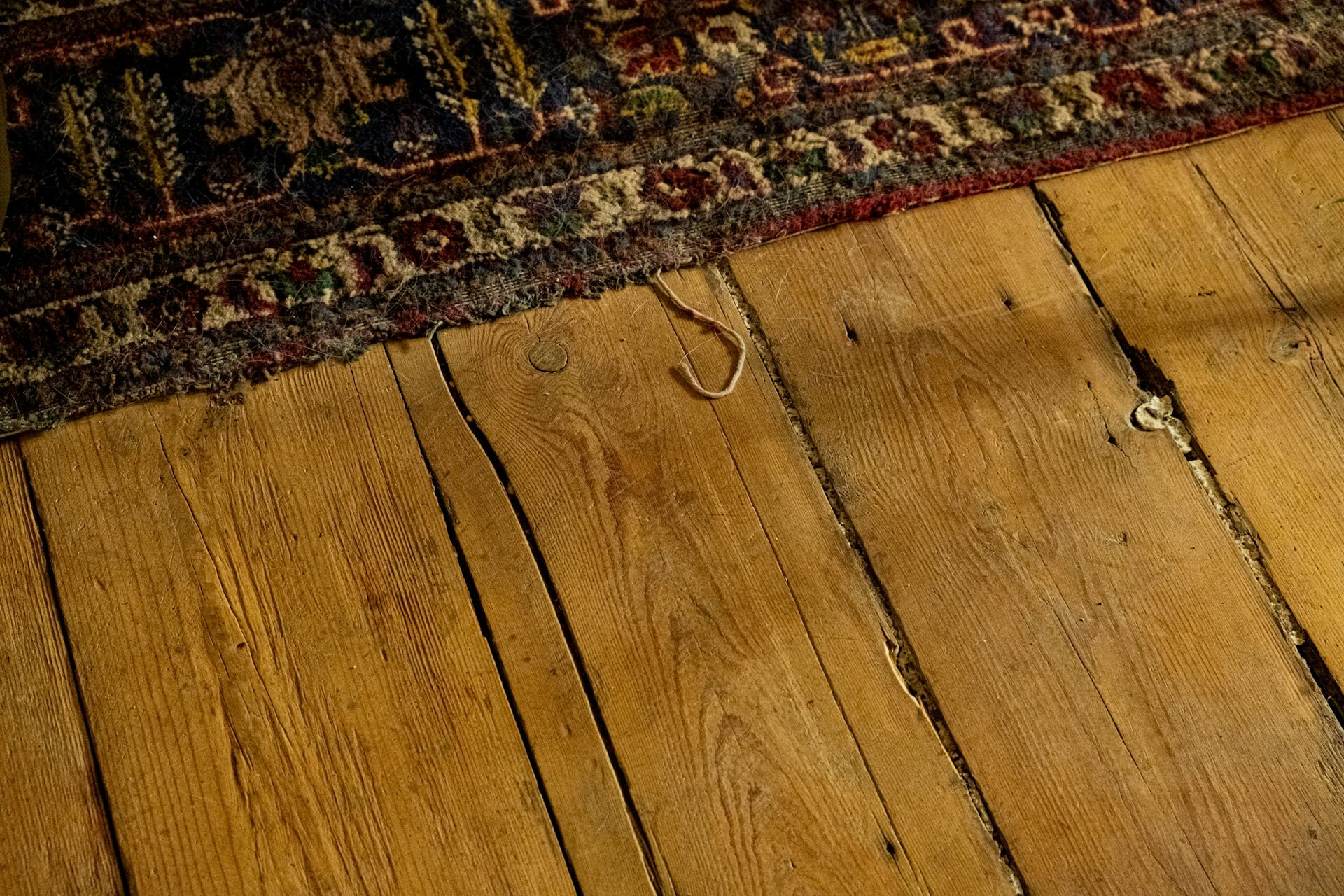
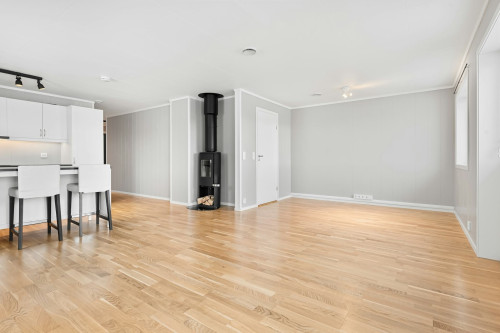
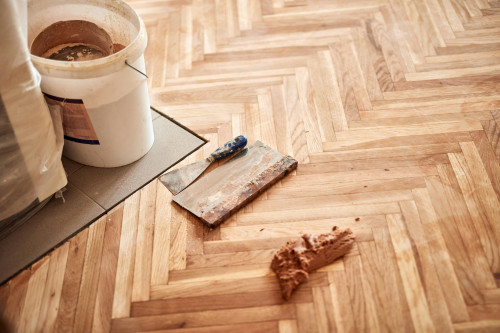
Solid wood and engineered timber floors bring warmth and a natural acoustic quality. Wood has a slight elasticity that softens sound, but it can still transmit footfall noise, especially when laid directly on concrete. Using an acoustic underlay can make a big difference.
Vinyl and Linoleum
These resilient floors are soft and flexible, making them ideal for rooms where you want quiet. They absorb sound effectively and are easy to maintain. Modern vinyl comes in designs that mimic wood or stone, offering both style and comfort – a popular choice in Irish homes and apartments.
Cork
Cork is one of the best natural sound absorbers available. It reduces both impact noise and echo, and it feels warm and pleasant underfoot. It’s also a sustainable choice, as cork is harvested from bark without cutting down the tree – a good fit for eco-conscious homeowners.
Carpet
Carpet remains the classic solution for maximum acoustic comfort. It absorbs sound across a wide range of frequencies and makes a room noticeably quieter. The downside is maintenance, but even area rugs can significantly improve acoustics in rooms with hard floors.
Tiles and Stone
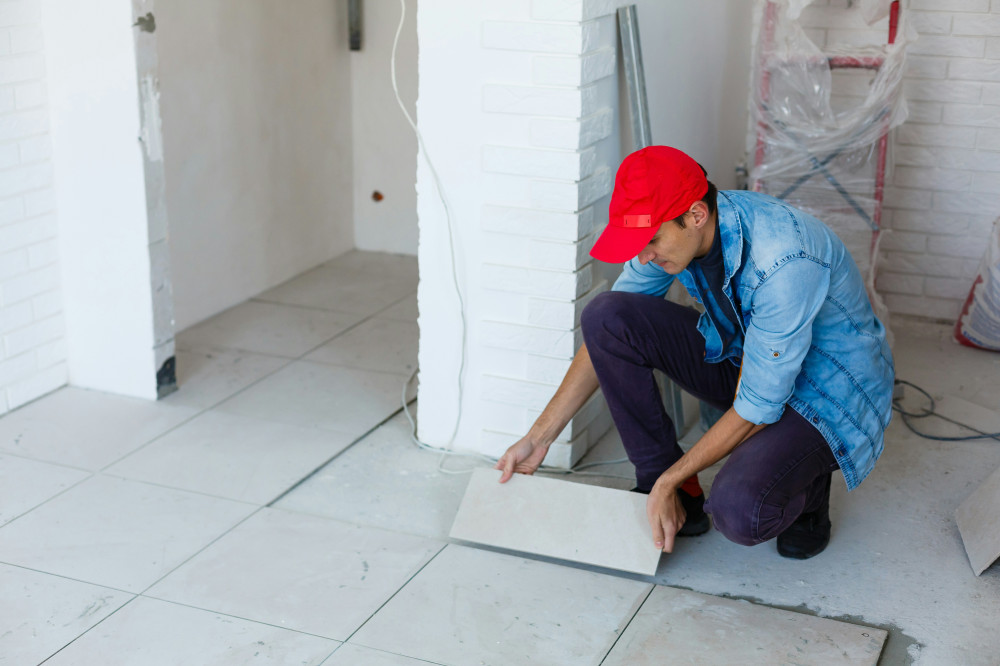
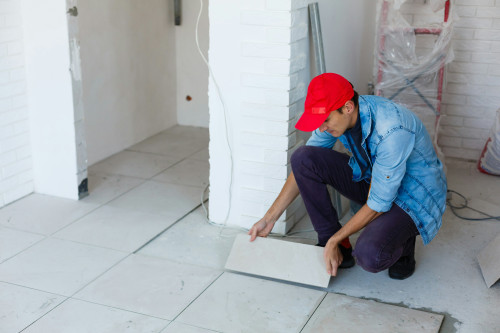
Tiles and natural stone are durable and elegant, but they reflect sound strongly. If you choose these materials – common in Irish kitchens, hallways, and bathrooms – balance them with soft furnishings such as rugs, curtains, and upholstered furniture to reduce echo.
The Underlay – Hidden Sound Insulation
Even the best floor can be noisy if the underlay isn’t right. A quality acoustic underlay can reduce impact noise by up to 20 decibels, which makes a big difference in multi-storey homes or apartment buildings. Underlays come in materials like foam, felt, cork, and rubber, and should be chosen to suit both the flooring type and the building’s structure.
If you live in an apartment, it’s worth checking your building’s sound insulation requirements before installation. Meeting these standards can prevent complaints and costly adjustments later.
Room-by-Room Recommendations
- Living room: Choose a floor that balances style and sound comfort, such as timber, vinyl, or cork.
- Bedroom: Prioritise peace – carpet or cork flooring creates a soft, quiet atmosphere.
- Kitchen and hallway: Durability is key, but vinyl or linoleum can help reduce harsh echoes.
- Bathroom: Tiles are practical, but add mats and textiles to soften the sound.
Small Changes, Big Difference
If replacing your floor isn’t an option, you can still improve acoustics. Rugs, curtains, upholstered furniture, and wall panels all help absorb sound. Even plants and bookshelves can break up sound waves and make a room feel calmer.
A Peaceful Home Starts from the Ground Up
A quiet home isn’t just about comfort – it supports concentration, rest, and wellbeing. By choosing the right flooring and considering acoustics from the start, you can create a space where silence feels natural. It’s not necessarily the most expensive choice, but it’s the most thoughtful one.
Læs også: