Insulate the Floor from Below: Practical Solutions from the Basement or Crawl Space

Insulate the Floor from Below: Practical Solutions from the Basement or Crawl Space
Cold floors can make even the coziest Irish home feel uncomfortable. Many older houses across Ireland—especially those built before modern insulation standards—lose a significant amount of heat through the floor. The good news is that you can often improve comfort and reduce heating costs by insulating the floor from below, either from a basement or a crawl space. Here’s a practical guide to how it’s done and which solutions suit different types of homes.
Why Insulate the Floor from Below?
It’s easy to focus on attic or wall insulation, but the floor is just as important. Poorly insulated floors allow cold air and draughts to rise from below, while valuable heat from your living spaces escapes downward. The result is chilly feet, higher energy bills, and a home that never feels quite warm enough.
By insulating the floor from below, you can:
- Improve comfort – floors feel warmer and draughts are reduced.
- Save energy – less heat loss means lower heating costs.
- Protect against damp – proper insulation helps keep basements and crawl spaces dry.
Insulating from a Basement
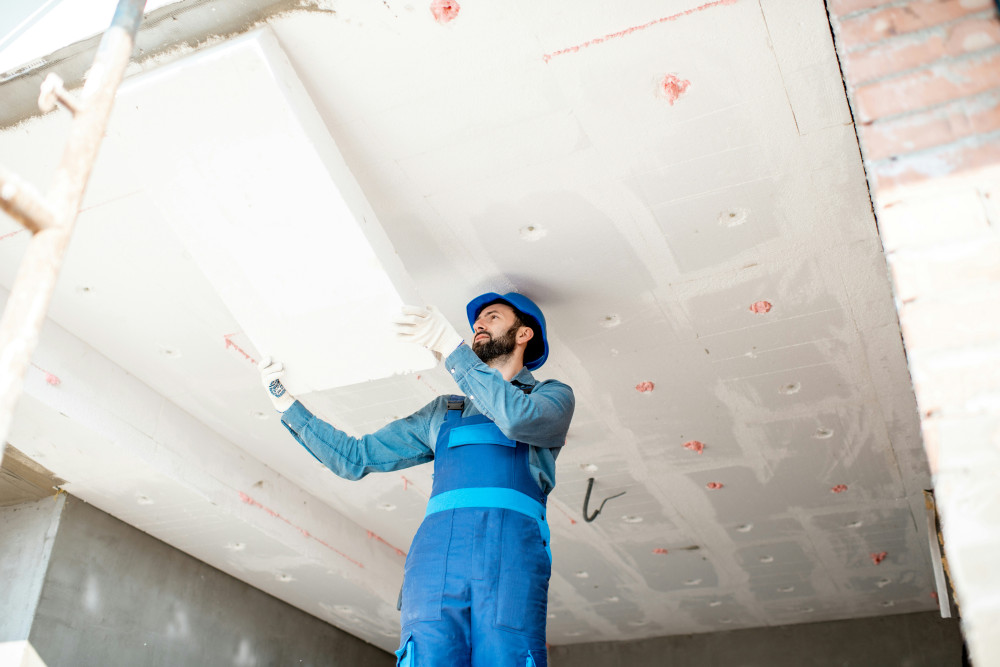
If your home has a full basement, this is often the easiest place to start. The insulation is installed directly under the floor structure—either between timber joists or on the underside of a concrete slab.
Step by Step
- Inspect the structure – determine whether the floor above is timber or concrete.
- Choose insulation material – mineral wool, PIR boards, or EPS boards are common options.
- Install the insulation – fit it snugly between joists or fix it directly to the underside of the concrete.
- Add a vapour barrier and finish – in some cases, a vapour barrier is needed to prevent moisture build-up, and the insulation can be covered with boards for a neat appearance.
Advantages
- Easy access to the underside of the floor.
- No need to disturb flooring above.
- Work can be done without disrupting daily life.
Disadvantages
- The basement must be dry and well-ventilated.
- Ceiling height may be slightly reduced.
Læs også:

Insulating from a Crawl Space
Many Irish homes, particularly older rural cottages or houses built on sloped sites, have crawl spaces rather than full basements. These spaces can be awkward to access, but insulating them can make a big difference to comfort and energy efficiency.
The Traditional Method: Insulating from Below
- Inspect and clean the crawl space before starting. Check for damp, mould, or pests.
- Install insulation between the joists using netting, wire, or support boards.
- Maintain ventilation – ensure air vents remain open so moisture doesn’t accumulate.
Alternative: Insulating from Above
If the crawl space is too tight to work in, you can insulate from above by lifting the floorboards and placing insulation between the joists. This is more disruptive but allows for a thorough inspection of the structure.
Choosing the Right Materials
Several insulation types are suitable for floors:
- Mineral wool (glass or rock wool) – flexible, fire-resistant, and easy to install.
- PIR or PUR boards – high insulation value with minimal thickness, ideal where space is limited.
- EPS (expanded polystyrene) – affordable and moisture-resistant, but requires precise fitting.
- Natural materials such as cellulose or wood fibre – eco-friendly options that work well in timber floors.
Select materials based on moisture conditions, available space, and the desired insulation performance (measured by thermal conductivity or lambda value).
Moisture and Ventilation: Key Considerations
Moisture is the biggest risk when insulating floors from below. Always ensure the basement or crawl space is dry and properly ventilated before starting. In some cases, you may need to add extra air vents or a vapour barrier.
A damp environment can lead to mould and timber decay, so it’s worth having a professional assess the conditions if you’re unsure.
When to Call a Professional
While some insulation projects can be done as DIY, working in basements or crawl spaces often requires experience. A qualified insulation contractor can:
- Assess moisture and ventilation conditions.
- Ensure correct installation and airtightness.
- Advise on materials and available grants.
In Ireland, you may be eligible for SEAI (Sustainable Energy Authority of Ireland) grants for home energy upgrades, which can help offset the cost of insulation work.
A Smart Investment in Comfort and Efficiency
Insulating the floor from below is one of the most effective ways to improve both comfort and energy efficiency in your home. It takes planning and care, but the results are clear: warmer floors, lower heating bills, and a healthier indoor environment.
Whether you tackle it yourself or hire a professional, it’s an investment that pays off—for your comfort, your wallet, and the planet.
Læs også: