Insulation in Apartments and Houses – What’s the Difference?


Insulation in Apartments and Houses – What’s the Difference?
When it comes to improving energy efficiency and comfort at home, insulation is one of the most effective measures you can take. But the approach to insulation differs greatly between apartments and houses. Building type, structure, and ownership all influence what’s possible – and how much control you have over the work. Here’s an overview of the key differences and considerations for Irish homeowners and apartment residents.
Different Buildings – Different Possibilities
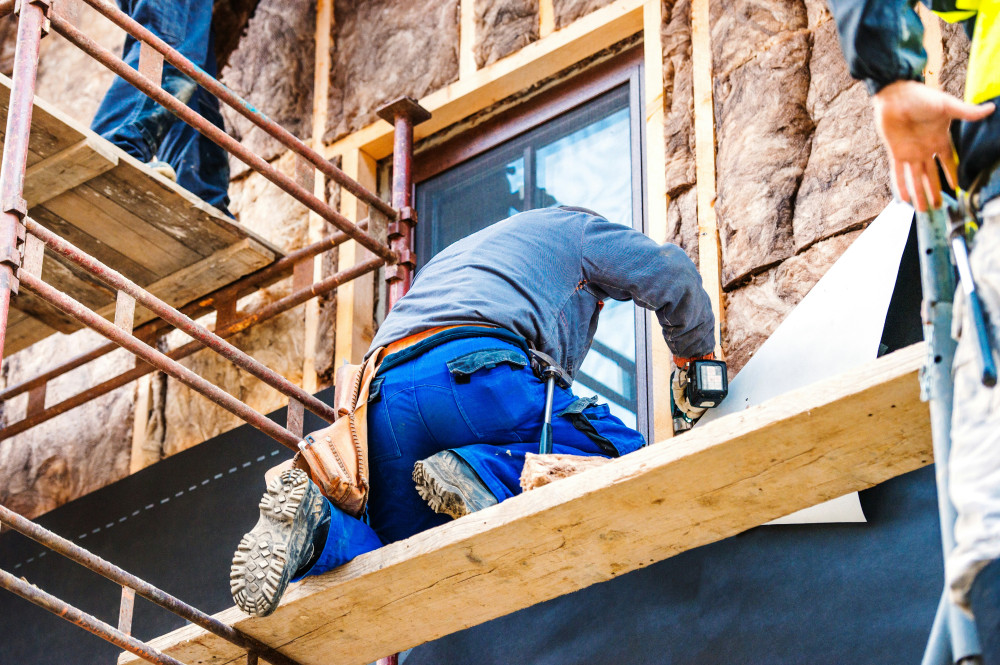
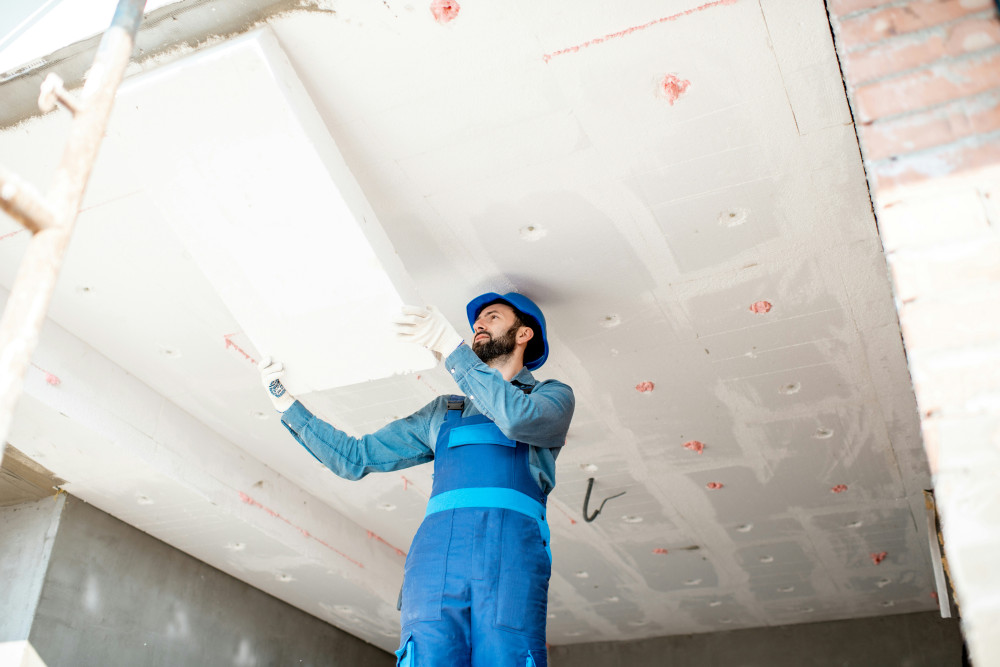
If you own a house in Ireland, you have full control over the building envelope: the roof, external walls, floors, and windows. This means you can decide to add attic insulation, upgrade your windows, or insulate external walls from the outside whenever you wish.
In an apartment, things are more complex. You share the building’s structure with other residents, and many decisions require approval from the management company or owners’ association. You can usually only insulate within your own unit – for example, by adding internal wall insulation or improving sound and heat insulation between rooms.
That doesn’t mean apartment dwellers are without options, but it does require cooperation and planning if the entire building is to be upgraded for better energy performance.
Læs også:

Types of Insulation and Technical Differences
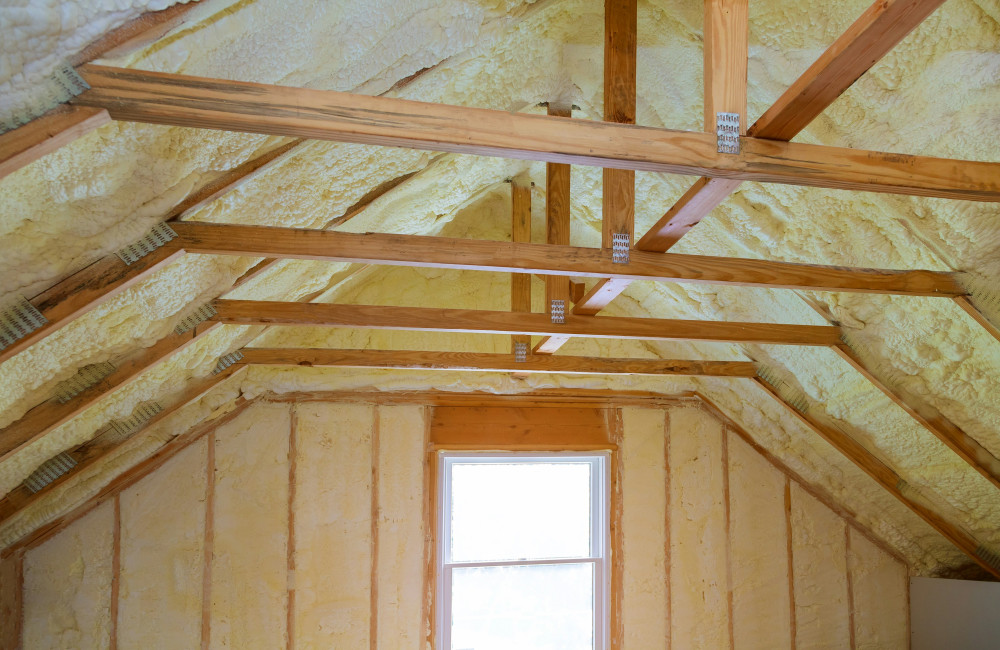
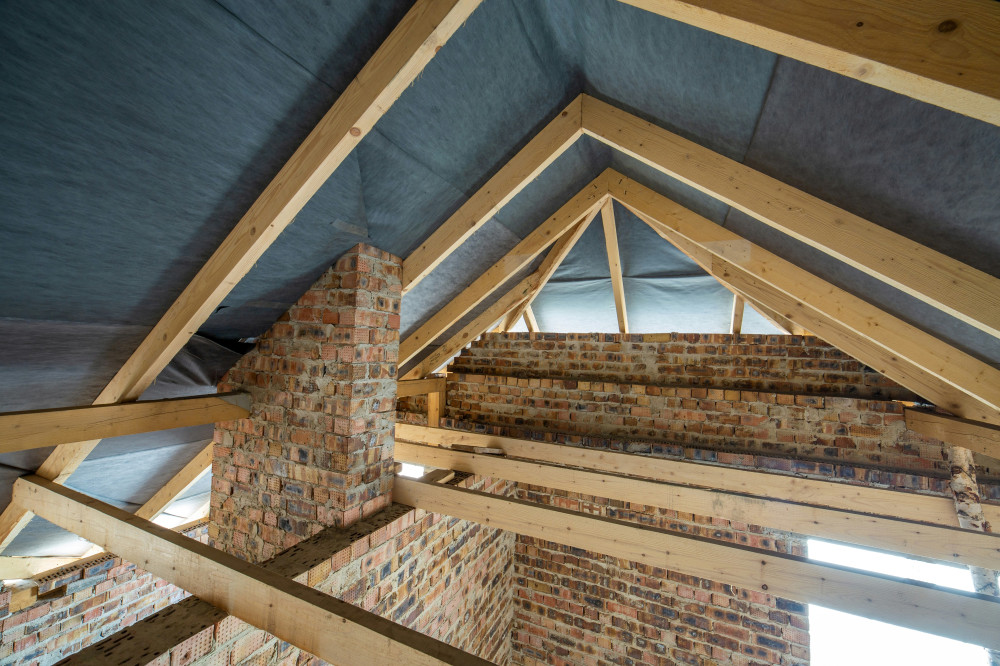
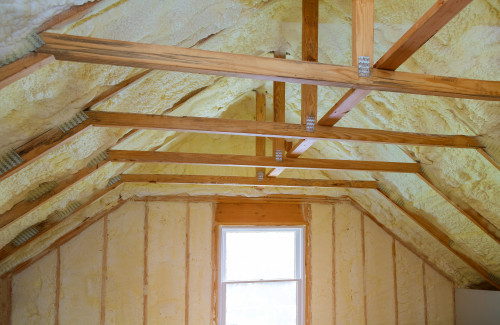
In Irish houses, attic insulation is often the first priority, as heat naturally rises and a poorly insulated roof can lead to significant heat loss. Cavity wall insulation and floor insulation are also common measures that can be carried out without altering the home’s interior appearance.
In apartments, the focus is often on internal comfort and noise reduction. Typical improvements include:
- Internal wall insulation on cold external walls to reduce draughts and condensation.
- Acoustic underlay or floor insulation to reduce noise between floors.
- Sealing around windows and doors to prevent heat loss and draughts.
Internal insulation must be done carefully, as incorrect installation can lead to moisture problems. It’s important to use vapour barriers and materials suitable for the building’s construction and ventilation system.
Ownership and Costs
One of the biggest differences between houses and apartments is who pays for the insulation work. In a house, it’s an individual investment that you decide and finance yourself.
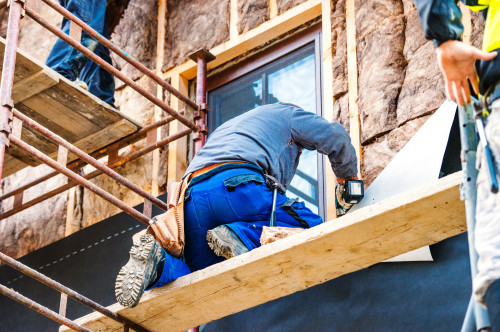
In an apartment, it depends on the ownership structure. Larger projects such as external wall insulation or window replacement usually require agreement among all owners or the management company. While this can take time, the costs are shared, and group projects can benefit from economies of scale.
For apartment buildings, it’s often worthwhile to commission an energy assessment to identify where improvements will have the greatest impact. This provides a shared basis for decision-making and helps ensure that investments are cost-effective and long-term.
Comfort and Energy Savings
Regardless of the type of home, insulation isn’t just about saving on heating bills. A well-insulated property also offers a more comfortable indoor climate – free from draughts, cold walls, and uneven temperatures.
In houses, the improvement is often more noticeable because you can insulate the entire building envelope. In apartments, the effect may be more local, but even small steps such as sealing windows, insulating behind radiators, or upgrading to double or triple glazing can make a big difference.
Better insulation also contributes to lower carbon emissions and a more sustainable home – something that’s increasingly valued by Irish homeowners and tenants alike.
Where to Start
If you live in a house, begin with an energy audit to identify where heat loss is greatest. The attic is often the most cost-effective place to start, followed by walls and floors.
If you live in an apartment, talk to your management company about potential building-wide energy upgrades. At the same time, you can take smaller steps within your own unit – sealing gaps, insulating pipes, and ensuring proper ventilation to prevent dampness.
Whether you live in a house or an apartment, insulation is an investment in comfort, savings, and sustainability. The main difference lies in how much control you have – and how you can best work with others to create an energy-efficient home.
Læs også: